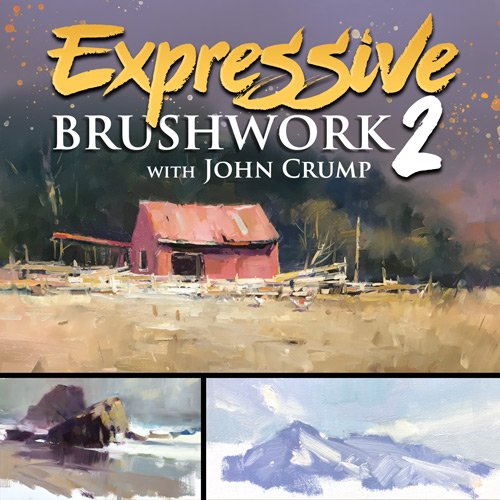
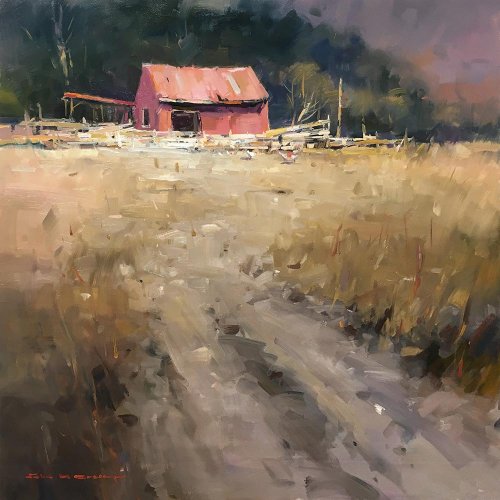
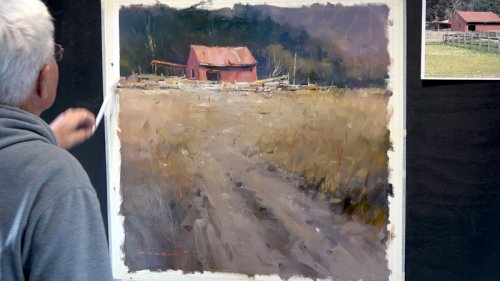
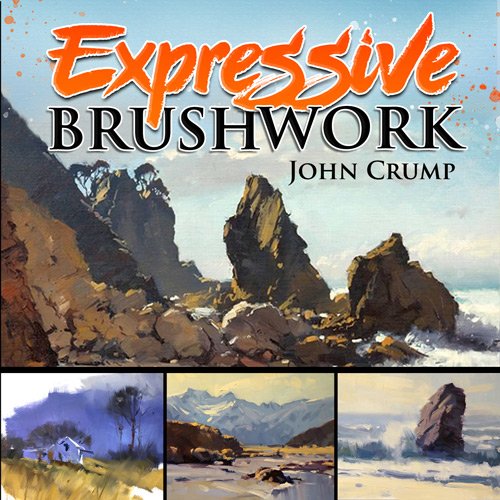
Join New Zealand artist John Crump in his studio for an in-depth workshop on the fine art of expressive brushwork.
Watch 3 demo paintings come alive, learning exactly how John has honed his painting techniques over more than 40 years to achieve his beautiful painterly style that speaks to every painter and art lover of the freedom and joy of painting.
This workshop is for every artist who has ever dreamed of painting in a loose impressionistic style.
Learn About
Expressive Painting
Special Techniques
Designing for Success
Colour Mixing Made Simple
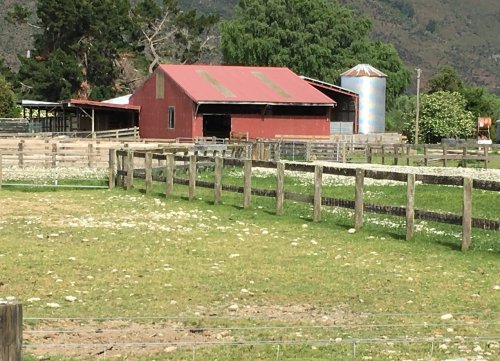
Rustic Buildings
Long grasses
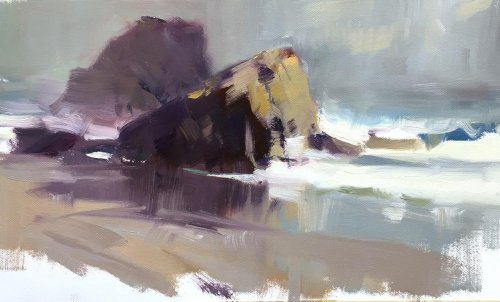
Rocks and Reflections
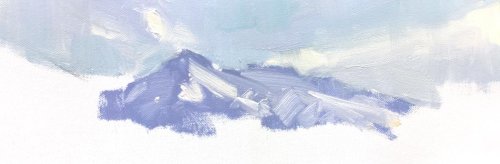
Clouds
When does the lesson start?
Whenever you’re ready! The lesson is available online any time, and your access to the lesson never expires.
How long is this lesson available to me?
As long as you need! Your access never expires, so you can come back again and again.
Can I download this video?
Sorry, no you can’t download the video. This is to avoid piracy. You’ll always be able to view the video on this site though.
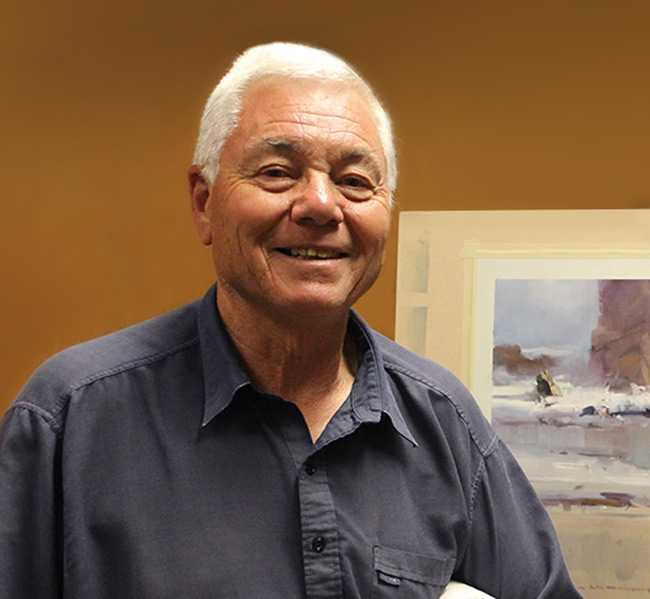
John Crump's painting journey began in the 1960s. Well-known as a 'NZ impressionist' John's style of painting is celebrated in New Zealand and beyond. His bold, confident brushwork and beautiful color and drawing of landscape, and his ability to catch a fleeting moment of nature helped steer him toward plein air painting in the outdoors. John has been teaching painting for many years and is a favorite with students around the world.
John Crump's painting journey began in the 1960s. Well-known as a 'NZ impressionist' John's style of painting is celebrated in New Zealand and beyond. His bold, confident brushwork and beautiful color and drawing of landscape, and his ability to catch a fleeting moment of nature helped steer him toward plein air painting in the outdoors. John has been teaching painting for many years and is a favorite with students around the world.
Love it! 😠A must have for all landscape painters. Learn and watch him create his style, plus heaps tips and tricks from a top artist. Thanks John and Richard.
This is a nice, bright and competent painting Sharon with a good feeling of sunshine and shadows. You demonstrate good drawing and brush skills and a nice sense of lighting. However, there is a design problem. The two buildings are too separated so that they are two focal points. Even if they were separate, I would have placed one slightly behind the other so that they connected and became one focal point.
One other thing I feel to mention. The red area in the immediate foreground feels out of place. It is too chromatic against the bright greens in your grasses. It needed to be a darkish khaki like colour – perhaps like the sedge grasses that often grow in damp areas. It would then relate better to the colours throughout the rest of the painting.
Incidentally, several of your trees come to the top edge of the canvas. Much better if they go right past the top, or stop well clear of the edge. Otherwise, a very nice painting.
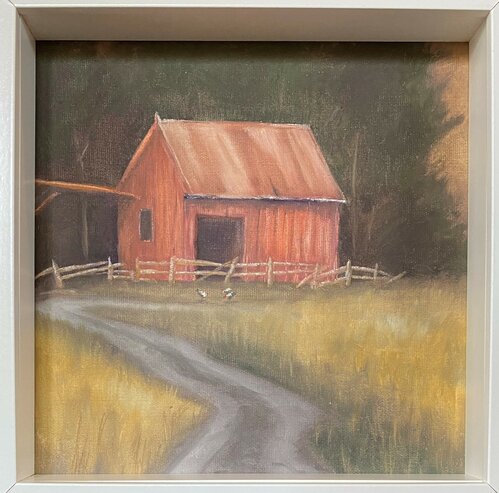
Your painting has a wonderful feeling of highlights and shadows Darla which, along with bold brushstrokes give a nice lively feeling. Try not to be too careful when painting fences and posts (have a look at mine – they are quite rough really) and avoid putting
highlight effects (behind the trees on the right side of the painting) as any highlight near the edge of a painting will drag the eye away from the focal point. Well done!
John Crump's second workshop continued the excellent instruction. 40 years of experience shines through.
Marcus Chen
This really helped. The painterly style is something I want to develop further.
Olivia Moreau
Great value and beautiful results.
Aisha Khan
Between your lessons and John Crump I am experiencing the best advice, lessons and teaching. I took some lessons (classes) at a renowned art school many years ago and didn’t receive the quality and insights that you teach. I appreciate your desire to teach and share especially at this time of my life when I hae time to learn and practice.
Thank you!
Margaret
margaret nelson
Paint with confidence
Not loving your painting lessons? No worries!
If it’s not the right fit, we’ll give you a full refund within 30 days of purchase - no questions asked.
When you purchase a DVD you also get online access to the same lesson, including any lesson resources like photos, downloadable notes and access to upload your painting to the student gallery.
That's why you need to make a password when you purchase a DVD, so you can access the online content as well. Enjoy!