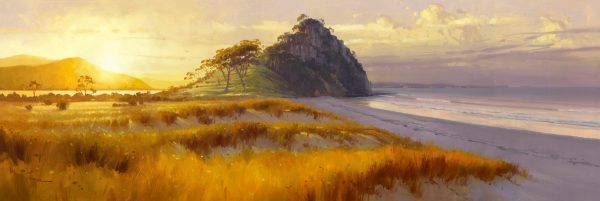
Light is the reason I became a painter. It's not just that without light there would be nothing to see; it's the sheer power of light to take your breath away, while simultaneously being so subtle that it makes you wish for better eyes to truly capture its beauty. It's no wonder that ancient civilizations worshipped the sun as a deity, for it not only sustains life on our planet but also reveals it in all its splendor. In this chapter, we'll delve into the fascinating world of light effects, exploring common phenomena like reflected light and the breathtaking luminosity of a sunset, alongside more nuanced effects such as glowing color, color banding, and the way color shifts around a form. These effects manifest as color gradations, and mastering the art of painting these transitions is essential to capturing the essence of light in your work. As we embark on this journey, you'll learn to observe nature closely, recognizing the subtle gradations that are omnipresent, and using textured brush strokes to infuse your paintings with interest and character. Let your brush strokes become your signature, adding a personal touch to your art and bringing the magic of light to life on your canvas.
This guide accompanies the full video lesson. The lesson includes the complete narrated video, the printable PDF chapter, and personalised critique support.
Embark on your painting journey by embracing the natural gradations you observe in the world around you. These transitions are subtle yet powerful, and by using textured brush strokes, you can add depth and character to your work. Your brush strokes are your signature, so let them express your unique style and vision.
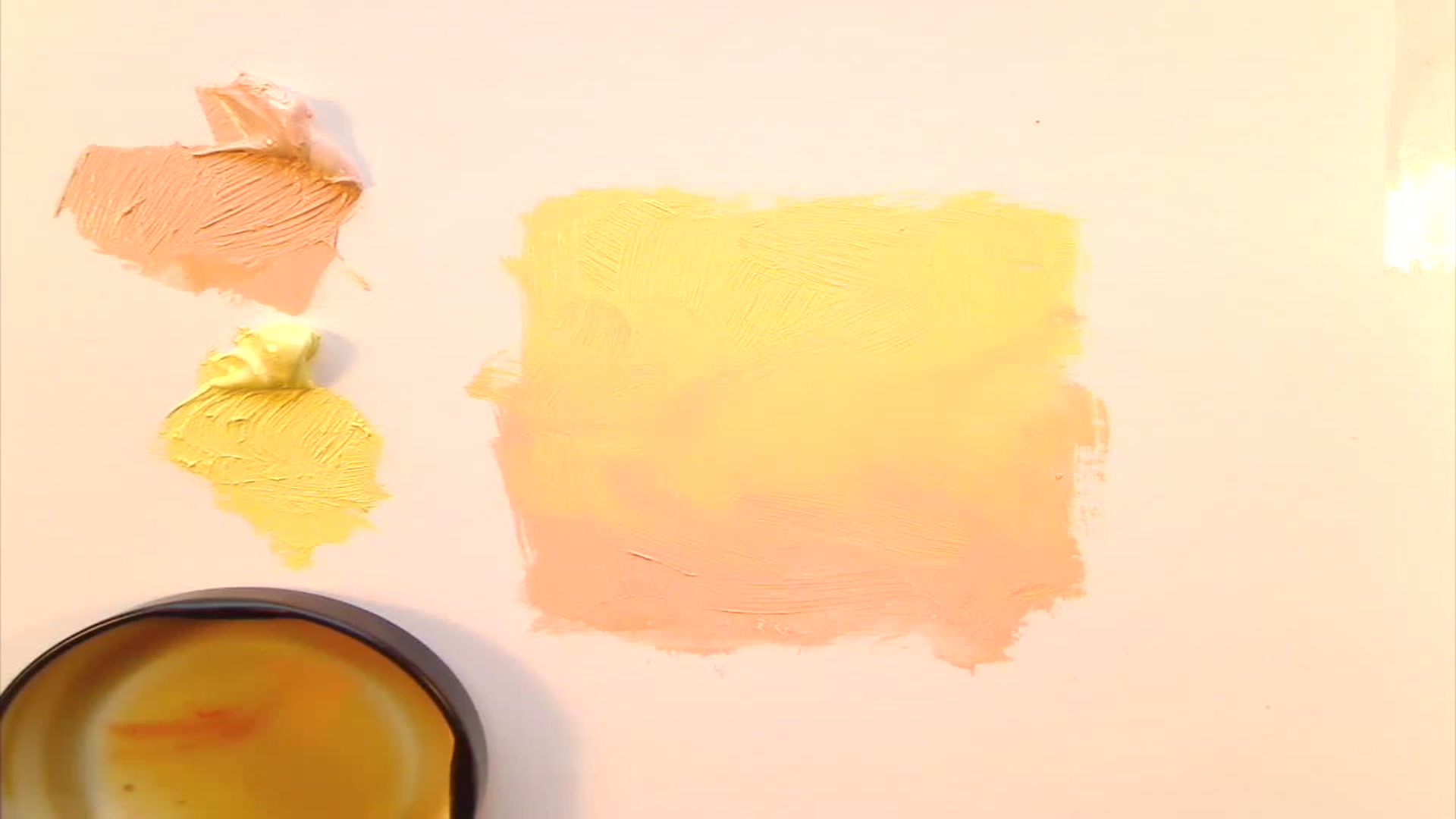
As you develop your painting, master the art of creating smooth yet interesting gradations through various techniques. Whether you're blending colors with alternate brushes, applying glazes for vibrant layers, or using scumbling for texture, each method contributes to a richer, more dynamic painting. Remember, the interplay of light and shadow is crucial, and understanding how colors shift in different lighting conditions will enhance the realism and luminosity of your work.
Finally, explore the effects of light on your compositions. From capturing the glow of a sunset to depicting the reflections on water, these elements bring your paintings to life. By experimenting with light and color interactions, you can create paintings that not only depict reality but also evoke emotion and wonder.
Points to remember
Use textured brush strokes to add interest instead of smooth gradations.
Mix colors on the palette first to maintain control and clarity.
Use separate brushes for light and dark colors to prevent muddiness.
Let each glaze layer dry before applying the next for depth.
Use paint directly from the tube for scumbling to achieve texture.
Ensure the underlying paint layer is dry before rubbing back.
Use a water sprayer to reactivate dry interactive acrylics.
Observe and incorporate reflected light to enhance form and color.