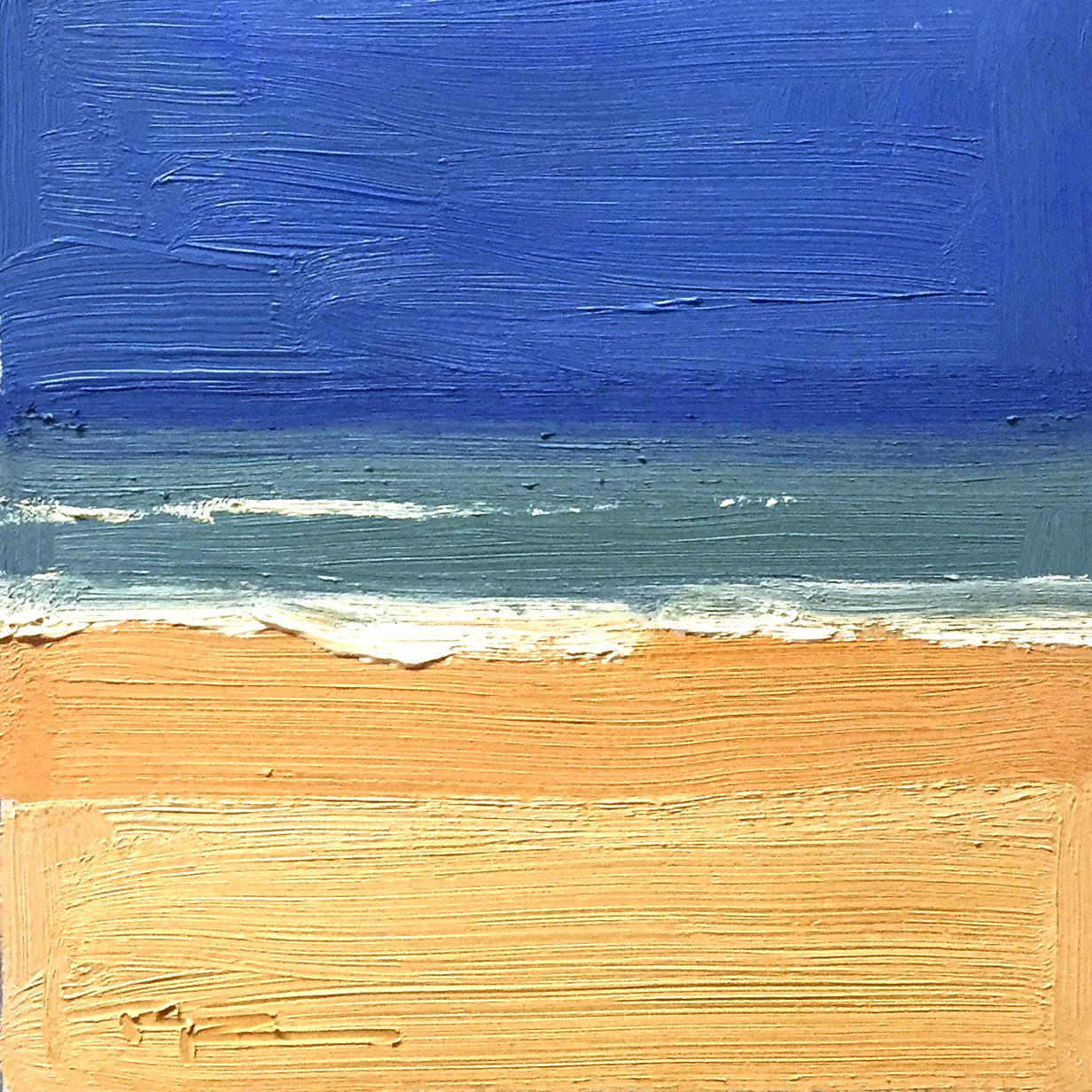
In this chapter, I guide you through the captivating journey of oil painting, starting with the essential task of setting up a still life in your studio. I’ll show you how to arrange your subjects and light them in a way that transforms them into beautiful, inspiring scenes ready to be captured on canvas. We begin with the simplicity of painting a single pear, a perfect subject to introduce you to the fundamental concepts of form and color in oil painting. This exercise is designed to help you grasp the basics and build a solid foundation. As you become more comfortable, we'll gradually increase the complexity of our compositions, allowing you to develop your skills step by step. By the end of this chapter, you'll not only have created your first oil painting but also gained the confidence to tackle more challenging subjects. This scene is rewarding because it offers a clear path from simplicity to complexity, ensuring that each step you take is a building block towards mastering the art of oil painting.
This guide accompanies the full video lesson. The lesson includes the complete narrated video, the printable PDF chapter, and personalised critique support.
Begin your landscape painting by coming up with a strong visual concept. This step is crucial as it sets the foundation for your entire artwork. Many overlook this, but it's essential for a cohesive and expressive painting.
Create Notan Studies
Use notan studies to explore the balance of light and dark in your composition. This helps you understand the underlying structure of your landscape and guides your painting process.
Conduct Grayscale Studies
Work on grayscale studies to focus on the tonal values in your landscape. This step allows you to refine the depth and contrast before introducing color.
Experiment with Color Studies
Develop color studies to test different palettes and see how colors interact in your landscape. This experimentation will inform your choices in the final painting.
Complete the Full Painting
With your studies as a guide, create the full-blown landscape painting. Apply the techniques learned to express the beauty of the scene with confidence.
Pro tipStart with a strong visual concept to guide your landscape painting.
Embark on your painting journey by thoughtfully arranging your still life setup. Focus on creating a balanced composition that captivates the viewer and highlights your subject with effective lighting. Begin with simple subjects, like a single pear, to master the basics of form and color. As you gain confidence, gradually introduce more complexity into your compositions, allowing your skills to grow naturally.
When transitioning to landscapes, start with a strong visual concept to anchor your painting. Use notan and grayscale studies to explore the balance of light and dark and to refine tonal values. These studies will help you understand the structure and depth of your scene. Experiment with color studies to find the perfect palette that brings your landscape to life. With these preparations, confidently execute your full landscape painting, capturing the beauty and essence of the scene.
Points to remember
Focus on lighting to enhance your still life setup.
Start with simple subjects to build foundational skills.
Gradually increase the complexity of your compositions.
Begin landscape paintings with a strong visual concept.
Use notan studies to explore light and dark balance.
Conduct grayscale studies to refine tonal values.
Experiment with color studies to test different palettes.