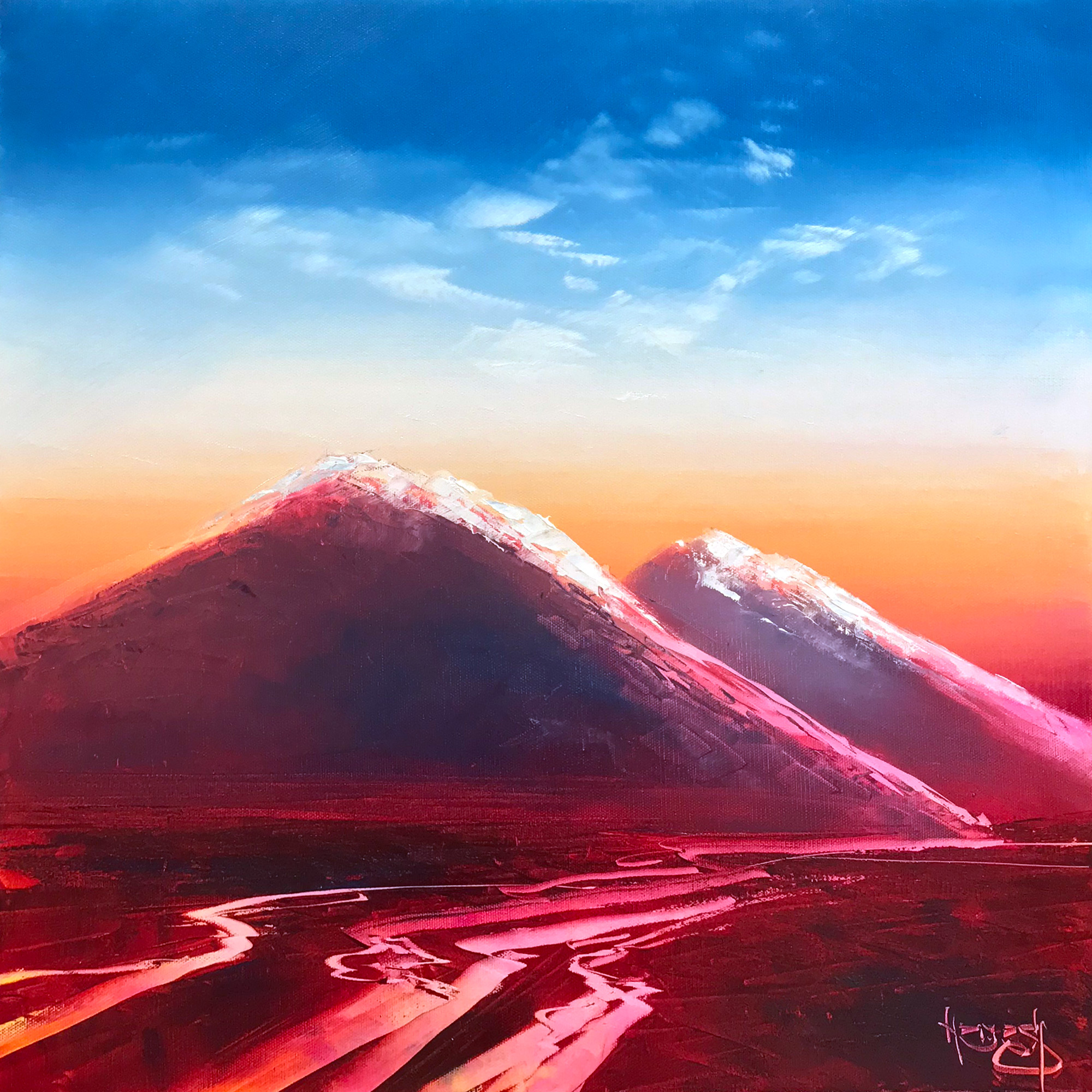
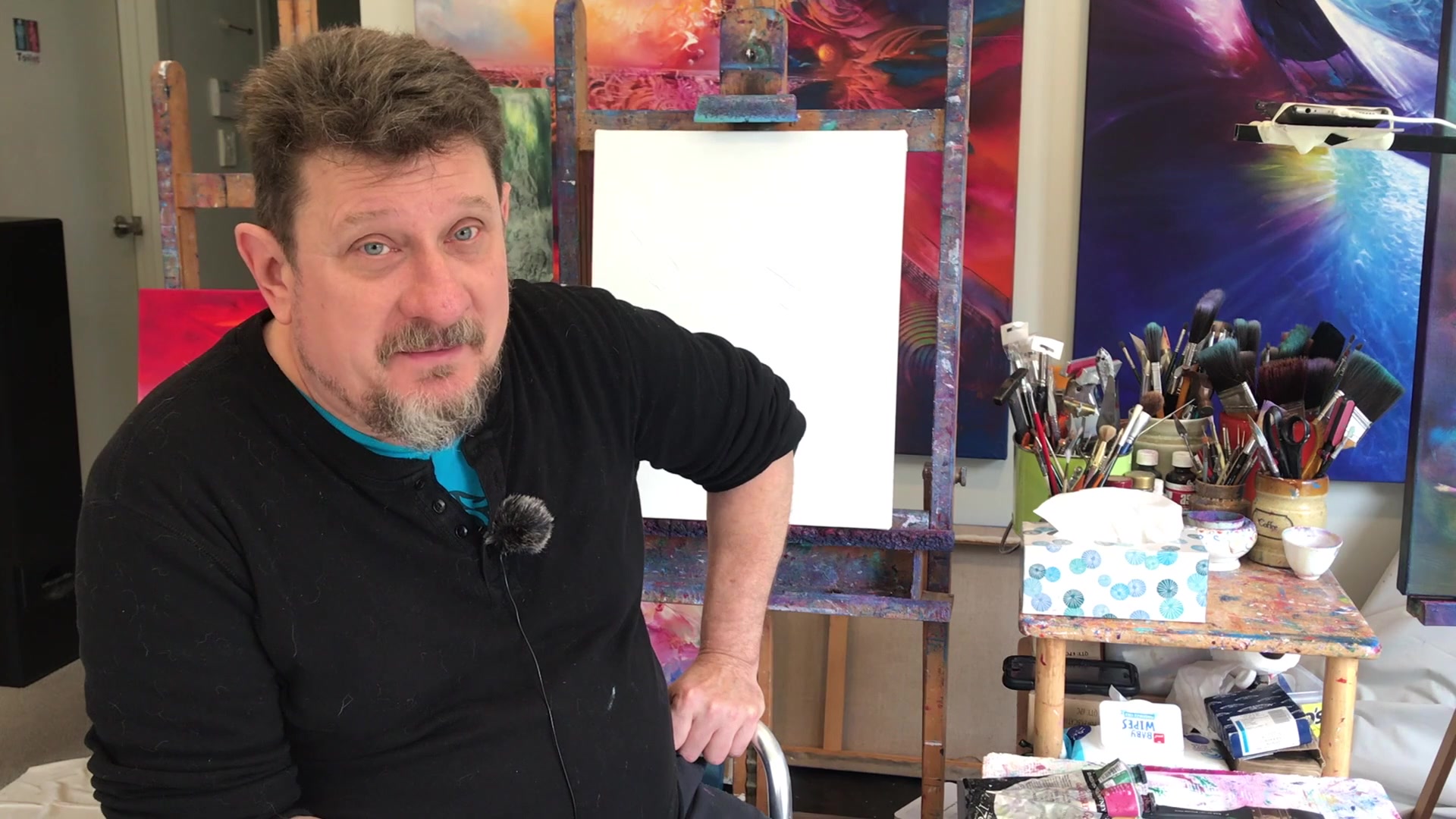
In this chapter, I invite you to embark on a transformative journey into the world of oil painting, a medium I've cherished and taught for the past 15 years. My own adventure began in my early 20s with a commission from a schoolmate, leading me to create a large canvas that sparked my passion for painting. Over a decade ago, I developed this program for a summer school, and this lesson marks the very first step in that journey. Here, we'll focus on mastering the art of color blending, a crucial skill to prevent the common pitfall of muddy colors. Many students struggle with this, but together we'll explore techniques to maintain vibrancy and clarity in your work. We'll start with a limited palette of five colors—titanium white, permanent magenta, rose madder, cerulean blue, and chrome orange hue—providing a versatile foundation for your creativity. This scene is a rewarding subject, offering both challenge and inspiration, as you learn to listen to your inner muse and let your spirit soar across the canvas.
This guide accompanies the full video lesson. The lesson includes the complete narrated video, the printable PDF chapter, and personalised critique support.
"Guided Painting 1" Oil on Canvas 20x20" by Nemesh
Step 14Textured Canvas and Playtime
Prepare Your Palette
Set up your palette with chrome orange, primary yellow, rose mother, and magenta. Use a textured canvas if available, but a regular canvas will also work.
Apply Yellow Base
Begin with yellow paint, similar to the bottom part of your guided painting. Allow some colors to show through and observe the interesting patterns created on the textured canvas.
Explore with Catalyst Wedges
Use catalyst wedges numbered two, four, five, and six to experiment with the paint. Cover the canvas with paint but leave some areas uncovered for texture. This is your playtime to explore and create unique patterns.
Add Magenta and Experiment
Apply magenta to the canvas. If you're not satisfied with your creation, cover it and start again. Ensure the yellow is underneath as it is transparent and disappears when layered on top.
Use Brushes for Texture
Utilize a large brush to add more texture to the oil paint. Continue brushing until you find a pattern you like. Use the same brush from your guided painting's blue sky section for consistency.
Carve and Refine
Add a thicker layer of yellow and carve into it with your tools. Be cautious when brushing as the paint can easily disappear. Enjoy the process and refine your work until satisfied.
Pro tipEnsure the yellow paint is applied underneath other colors as it is transparent and can easily disappear when layered on top.
Embark on your painting journey by selecting a versatile palette of five colors and preparing your canvas with care. Use quality brushes and tools to ensure a smooth and enjoyable painting experience. As you begin to apply paint, focus on the natural properties of your materials, allowing the texture of the canvas to enhance your work.
As you progress, experiment with blending techniques to create smooth transitions and gradients. Use circular movements and keep your tools clean to maintain color purity. Explore the dynamic interplay of colors by layering and blending magenta, chrome orange, and cerulean blue, and use dry brushing to add softness and depth.
Finally, let your creativity flow by adding details and textures to your painting. Use shapers to carve out shapes and create abstract effects, and don't hesitate to use your fingers for delicate highlights. Embrace the freedom to experiment and refine your work, whether you're painting mountains or exploring abstract compositions. Enjoy the process and let your unique artistic voice shine through.
Points to remember
Use only five colors to begin: titanium white, permanent magenta, rose madder, cerulean blue, and chrome orange hue.
Apply five layers of gesso for a smooth painting surface.
Incorporate texture in the final gesso coat to add depth.
Use small circular movements and clean the palette knife frequently for smooth blending.
Leave a gap of white between colors to prevent muddiness during blending.
Use a dry brush to gently crisscross over the paint for soft cloud effects.
Experiment with both hard and soft shapers to see how they affect paint removal and application.
Distant objects in landscapes are lighter, while closer ones are darker.