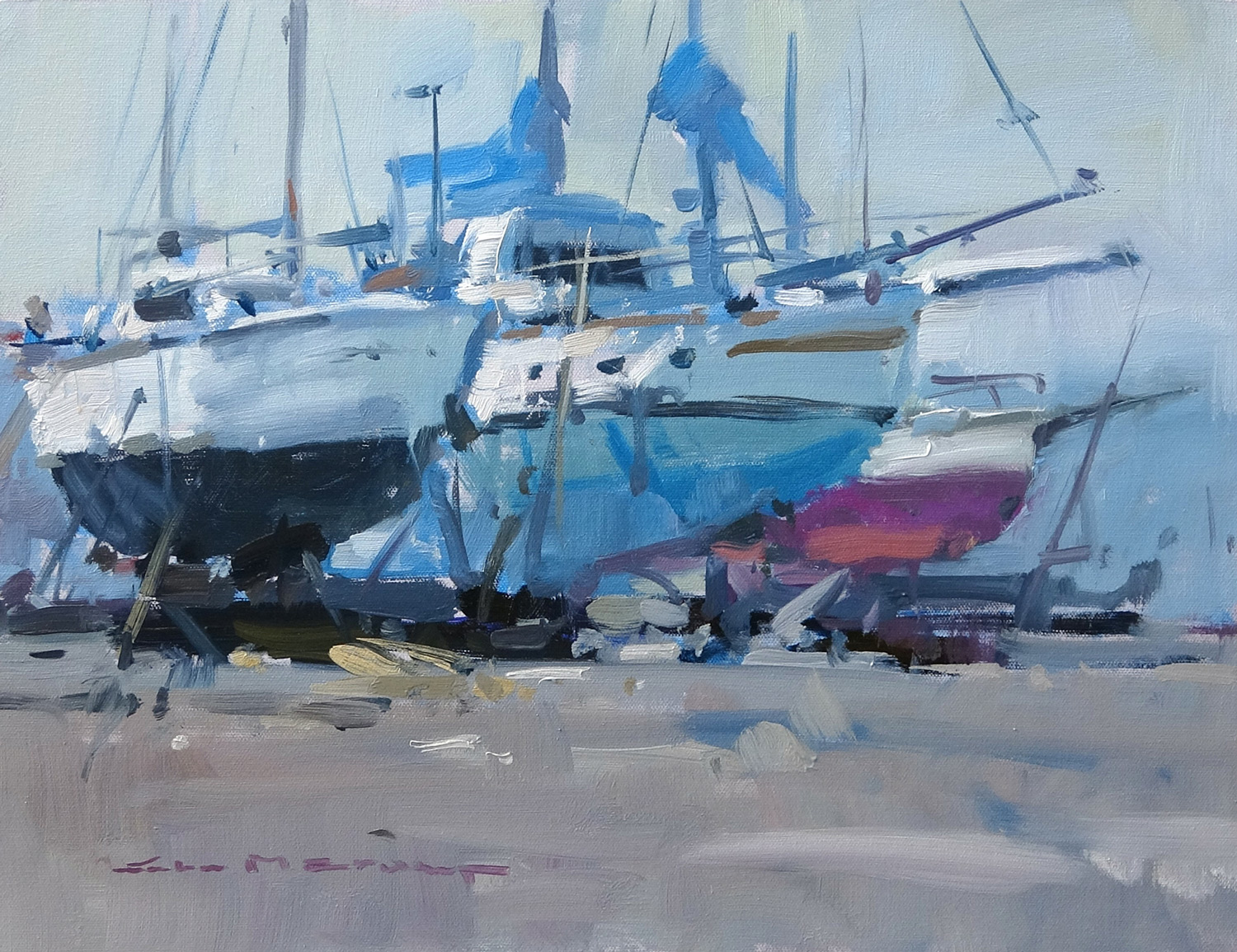
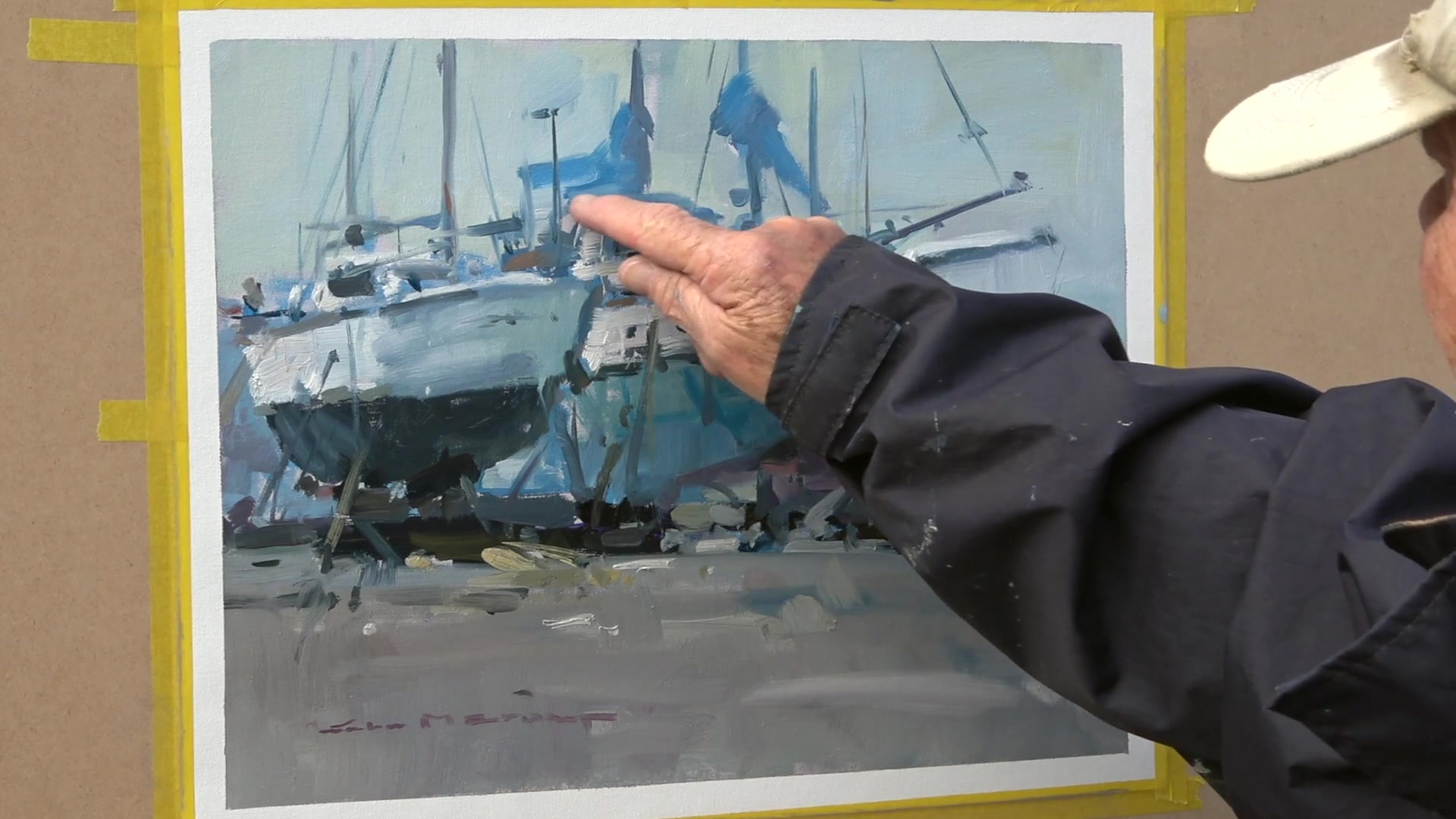
In this chapter, I invite you to join me on a journey of rediscovery through the art of quick studies, a technique championed by the esteemed John Crump. Whether you're returning to painting after a hiatus or simply looking to infuse your work with fresh energy, quick studies offer a powerful way to reignite your creative fires. We'll explore three inspiring outdoor locations, each offering dynamic lighting and atmosphere to invigorate your senses and challenge your skills. By setting up with small canvases and imposing a strict time limit of 20 to 30 minutes per study, you'll learn to make swift decisions and embrace spontaneity. This approach encourages bold, expressive brushwork and sharpens your ability to capture the essence of a scene. As you progress through multiple sketches, you'll witness your growth, even if the first attempts aren't perfect. The key is to keep moving, allowing new ideas to flow and your artistic voice to strengthen. This chapter is about embracing the joy of painting and the satisfaction of seeing your skills evolve with each stroke.
This guide accompanies the full video lesson. The lesson includes the complete narrated video, the printable PDF chapter, and personalised critique support.
Focus on the flow of your painting rather than perfection. Allow some elements, like a bit of sky showing through, to remain sketchy. This approach helps keep the process enjoyable and less stressful.
Capture the Scene
Visualize the landscape with its elements like the big rock, hills, and sand patterns. Adjust the composition to avoid repetitive patterns, as nature is often haphazard. This will make your painting feel more natural and dynamic.
Work with Light and Color
As the light changes, adapt your painting to reflect the warm and cool tones. Use warmer darks in the foreground and cooler tones as they recede. This helps create depth and realism in your work.
Avoid Chasing the Light
Resist the urge to constantly adjust your painting to match changing light conditions. Instead, focus on capturing the essence of the scene as you initially perceived it. This prevents overworking and maintains the painting's integrity.
Embrace Imperfection
Remember that the goal is not to create a perfect painting but to get your creative juices flowing. Allow yourself to experiment and be expressive, knowing that the process is more important than the outcome.
Pro tipLimit your painting time to encourage spontaneity and prevent overthinking. This helps you stay loose and expressive in your work.
Embark on your painting journey by stepping outside and immersing yourself in the dynamic play of light and atmosphere. Set up with a few small canvases and embrace the challenge of quick studies. By imposing a strict time limit, you encourage spontaneity and quick decision-making, allowing your creativity to flow freely. As you complete each sketch, take a moment to reflect on your progress and appreciate the improvement in your technique.
Select a vibrant palette that avoids muddiness and enhances your work. Begin with a well-lubricated brush to ensure smooth application and sketch the main elements of your scene with confidence. Focus on capturing the essence of your subject with bold strokes and thoughtful color choices. Remember, reflections in water require careful tonal adjustments to achieve a realistic effect.
As you choose new scenes, look for elements that inspire abstraction and strong design. Adjust your composition to highlight the center of interest and maintain balance. Apply dark tones first to establish a tonal reference, and use large brushes to create dynamic strokes. Embrace the natural flow of your painting, allowing for sketchy elements and adapting to changing light. Remember, the goal is to enjoy the process and let your creativity shine.
Points to remember
Set a strict time limit for each sketch to encourage quick decision-making.
Use artist-quality paints for consistent, vibrant colors.
Lubricate your brush with Liquin before picking up paint for smooth application.
Remember that a dark area will appear slightly lighter and a light area slightly darker in water reflections.
Adjust elements like the horizon and rock sizes to fit the composition.
Apply dark tones first to establish a reference point for the painting's tonal range.
Limit your painting time to encourage spontaneity and prevent overthinking.