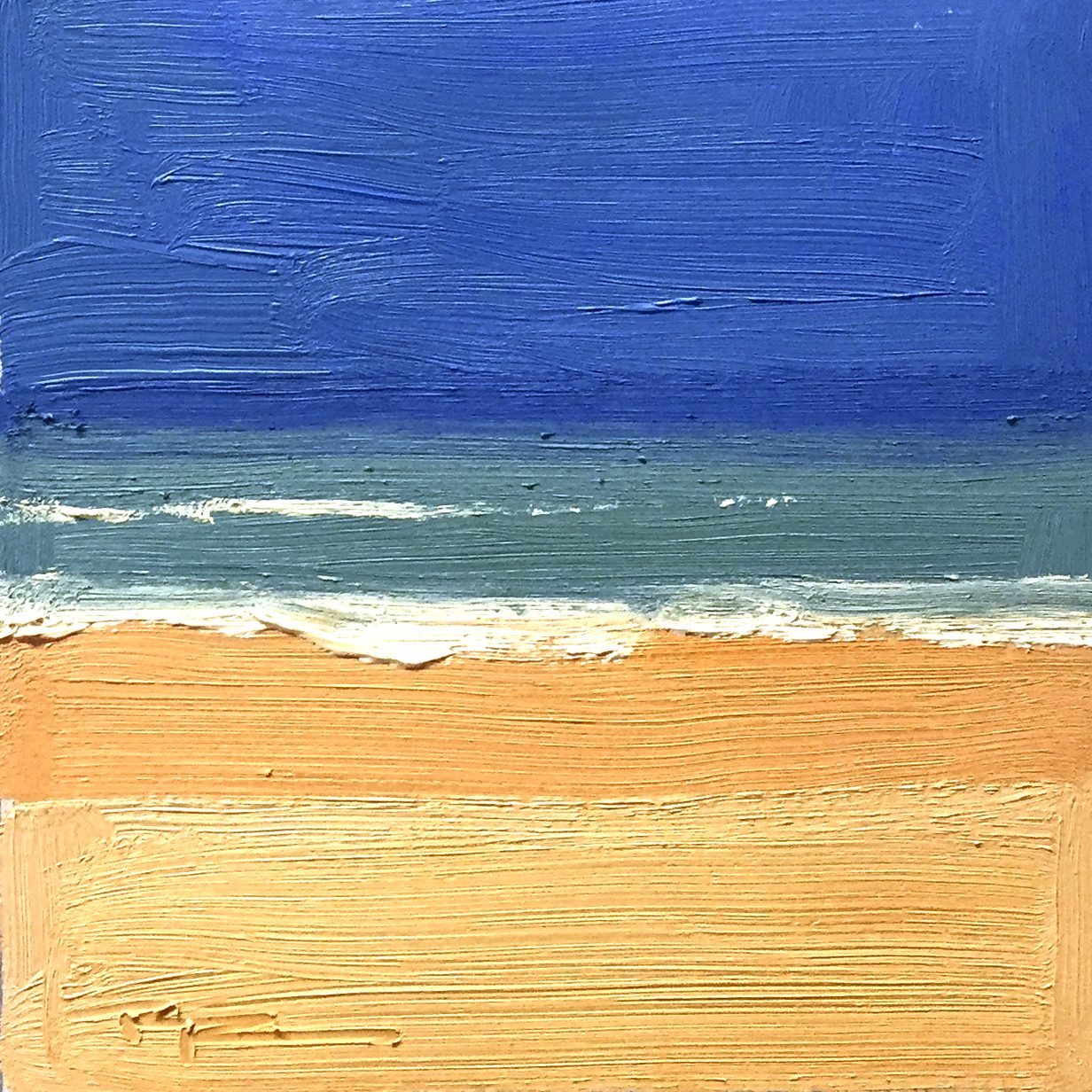
In this chapter, I invite you to embark on the exciting journey of oil painting, a medium rich with history and potential. We'll dive into the essentials, starting with a foundational color mixing exercise designed to ease you into the world of oils. This lesson is crafted to help you create your very first oil painting, guiding you through the process with tips and tricks I've gathered over years of painting. The scene we've chosen is both captivating and rewarding, offering a perfect balance of challenge and beauty that will keep you engaged and inspired. As you work through this chapter, you'll gain confidence in your ability to handle oils, learning how to blend colors seamlessly and bring your canvas to life. Whether you're a complete beginner or looking to refine your skills, this lesson will provide you with the tools and insights needed to start painting with oils and enjoy every step of the creative process.
This guide accompanies the full video lesson. The lesson includes the complete narrated video, the printable PDF chapter, and personalised critique support.
Regularly inspect your hands for any paint residue. This helps prevent accidental smudges on your artwork or other surfaces. Make it a habit to do this every few minutes to keep your workspace clean.
Embarking on your oil painting journey requires a blend of creativity and practical preparation. Start by setting up your workspace with a large palette and protective gloves to minimize mess and ensure a smooth painting process. Keep your tools organized and within easy reach, using paper towels for quick clean-ups and a nearby bin for disposal.
When painting outdoors, stability is key. Secure your easel with added weight and ensure your canvas is firmly attached to withstand the elements. Remember to take precautions like removing umbrellas when stepping away to prevent accidents. Maintaining your tools is equally important; clean your brushes with safflower oil to extend their life and keep them in top condition.
Throughout your painting session, regularly check for paint on your hands to avoid unintentional marks on your artwork. Should you encounter paint on your skin or clothes, gentle solutions like baby wipes and specialized products can effectively remove stains. By following these steps, you can focus on the joy of painting without the distraction of unnecessary mess.
Points to remember
Use latex or nitrile gloves to keep paint off your hands.
Work with a large palette to reduce the risk of mess.
Hang a bag on your easel to prevent it from tipping over.
Clean brushes with safflower oil to extend their lifespan.
Check your hands frequently to avoid unwanted paint marks.
Use baby wipes for gentle removal of oil paint from skin.
Secure your canvas firmly to your easel when painting outdoors.