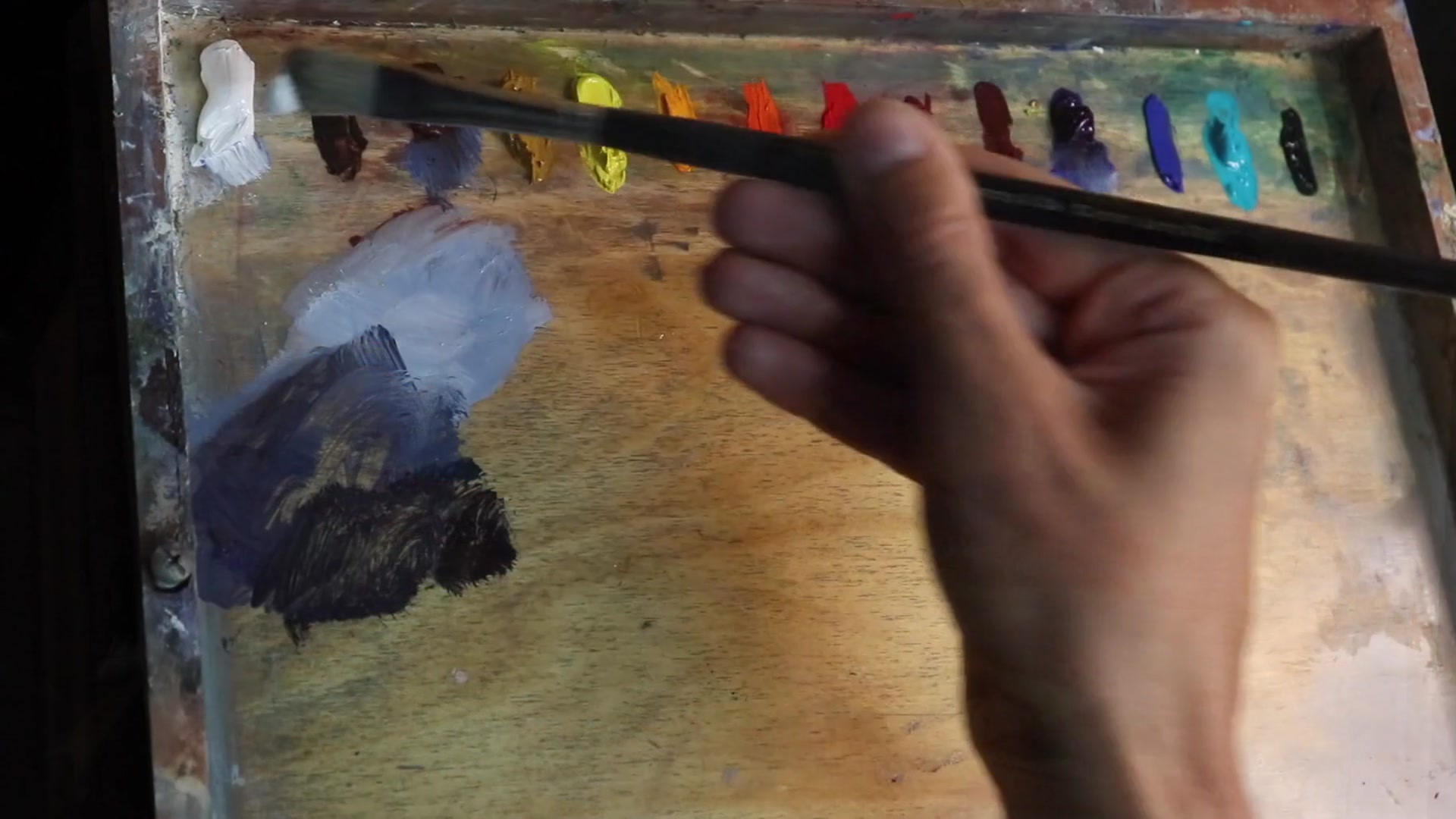
Welcome to this painting workshop where we dive into the vibrant beauty of Taupo Bay, a stunning coastal gem in northern New Zealand. In this chapter, I'll guide you through the process of capturing the dynamic interplay of ocean waves, the rugged majesty of cliffs, and the ethereal dance of light that brings this scene to life. We'll explore techniques for painting clouds, sky, rocks, and foliage, all while focusing on creating depth and realism. You'll learn how to design a composition that harmonizes colors and values, ensuring your painting resonates with energy and aliveness. As we progress, I'll demonstrate how to mix those captivating ocean hues directly on the palette, sharing insights into color theory that are invaluable for both beginners and seasoned painters. Whether you're working with oils or acrylics, this lesson is packed with practical tips to enhance your seascape painting skills. By the end, you'll have a piece that not only captures the essence of Taupo Bay but also reflects your personal artistic journey.
This guide accompanies the full video lesson. The lesson includes the complete narrated video, the printable PDF chapter, and personalised critique support.
Mix titanium white with a little burnt sienna to create the cloud highlights. Apply these highlights with loose brushwork to establish basic colors and values. Ensure the highlights are not too bright to prevent them from jumping forward in the painting.
Adjust Distant Clouds
For distant clouds, add a bit more burnt sienna to the mix. This helps the clouds recede and sit back in the sky, maintaining depth in your painting.
Blend Cloud Tones
Blend the cloud tones by working with areas of light and dark, adding a few half tones. Use the same colors from the start to maintain consistency and fluidity.
Mix Sky Colors
Combine ultramarine blue with cobalt teal and titanium white for the sky. Cobalt teal adds a vibrant turquoise blue, ideal for skies and water.
Create Sky Gradient
Darken the upper section of the sky and lighten it towards the horizon. Mix in more titanium white and cobalt teal as you approach the horizon to achieve this gradient.
Pro tipEnsure cloud highlights are not too bright to maintain depth and prevent them from jumping forward in the painting.
Embark on your Taupo Bay painting journey by preparing your canvas with a warm burnt sienna wash, setting the stage for a vibrant landscape. Sketch your composition with confidence, using Liquin to thin your paint and speed up drying times. As you lay out your design, let the headland be your focal point, guiding the viewer's eye with thoughtful composition adjustments.
Dive into your color palette with a rich array of hues, establishing depth with dark values to create atmospheric perspective. Paint with intention, using broad strokes for clouds and headland shadows, while ensuring your colors harmonize across the canvas. As you progress, layer your sky and sea with dynamic blues and greens, leaving room for the play of light on wave crests.
In the final stages, refine your painting with detailed brushwork on cliffs, rocks, and foliage. Use your dagger brush for precision, and adjust your greens to reflect distance and depth. Balance your composition by restating darks and highlights, ensuring your painting captures the essence of Taupo Bay with clarity and vibrancy.
Points to remember
Use Liquin Original to thin paint and speed up drying time.
Adjust composition elements to enhance the overall design.
Start with the darkest values to establish depth and perspective.
Mix burnt sienna with ultramarine blue for neutral grays with a blue cast.
Ensure cloud highlights are not too bright to maintain depth.
Leave gaps in the sea for adding white water on wave crests.
Use loose, gestural brush marks for a painterly effect.
Mix in a color with red to reduce green saturation and help it recede.